| Maintaining Rental Housing as a Community Asset Multifamily Rental Property Resource Guide | Publication | PDF (0.26 MB) | Oct 27, 2023 |
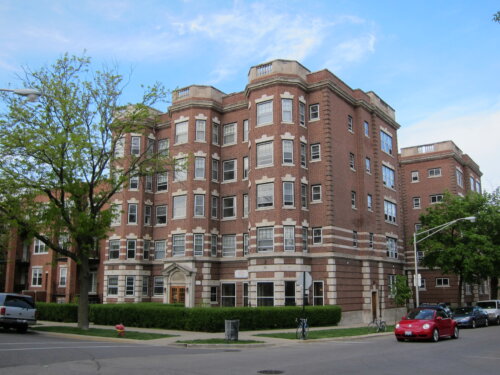
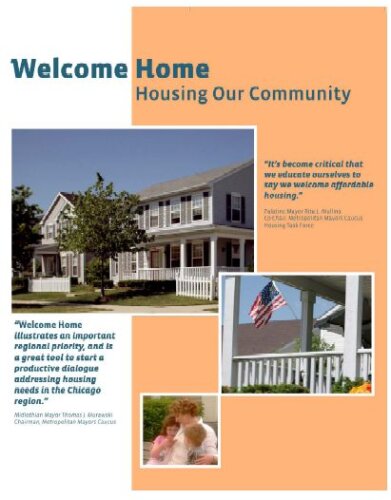
Publication PDF (0.26 MB) Oct 27, 2023 The Multifamily Resource Guide – produced by municipal leaders, Preservation Compact, Chicagoland Apartment Association, and partners including MPC offers a list of public and private sector resources including: energy assistance, financing, preservation, tenant relations, and more to assist multifamily property owners in metro Chicago. View resource Download file |
| Making maintenance fun again (pothole ribbon cutting)—Accelerate Illinois | Video | Link | Oct 27, 2023 |
Video Link Oct 27, 2023 We love to celebrate the construction of new roads, bridges and rails, but how can we remind ourselves of the everyday importance of maintaining what we already have? We added some cake and ribbons to the task of filling potholes to find out.Don't forget to share your photos of transportation frustrations on Twitter, Facebook and Instagram with #AccelerateIL. Tell Springfield you want transportation to be a priority in 2015! Go to http://www.accelerateillinois.com to add your name to the list. View resource Go to link |
| Making the Case for Public-Private Partnerships in Illinois | Publication | PDF (1.74 MB) | Jan 2, 2006 |
Publication PDF (1.74 MB) Jan 2, 2006 Business Leaders for Transportation's new report, "Making the Case for Public-Private Partnerships in Illinois." PUBLIC PRIVATE PARTNERSHIP COMMITTEEChairJohn GatesFormer Board Chair, Metropolitan Planning Council Members MarySue BarrettPresident, Metropolitan Planning CouncilFrank H. BealExecutive Director, Chicago Metropolis 2020Bernard J. FordSr. Chair, Chicagoland Chamber of Commerce Transportation Infrastructure CommitteeKit HodgeAssociate, Metropolitan Planning Council James C. LaBelleDeputy Director, Chicago Metropolis 2020Thomas H. MorschCo-Chair, Metropolitan Planning Council Transportation CommitteeRob NashDirector of Government Relations, Chicagoland Chamber of Commerce Gerald J. RoperPresident and CEO, Chicagoland Chamber of CommercePeter SkoseyVice President of External Relations, Metropolitan Planning Council Maria ChocaUrban Program Director, Chicago Metropolis 2020 Executive Summary To keep… View resource Download file |
| Managing Single-Family Rental Homes (White Paper) | Publication | PDF (0.82 MB) | Oct 27, 2023 |
Publication PDF (0.82 MB) Oct 27, 2023 Second edition, June 2013 As the foreclosure crisis enters its seventh year, a growing number of single-family homes in the Chicago metropolitan area – some already foreclosed, some in the process of foreclosure – are being rented. Some are being rented by people who have lost their homes, while others are being rented by lenders or investors who have taken title to foreclosed properties. Two things are evident: The demand for quality rental homes has risen sharply and communities must adapt to rapidly increasing numbers of single-family rental homes. In addition, many investors are new to the market and lack… View resource Download file |
| Map: Interjurisdictional Collaborations | Map | PDF (1.37 MB) | Oct 27, 2023 |
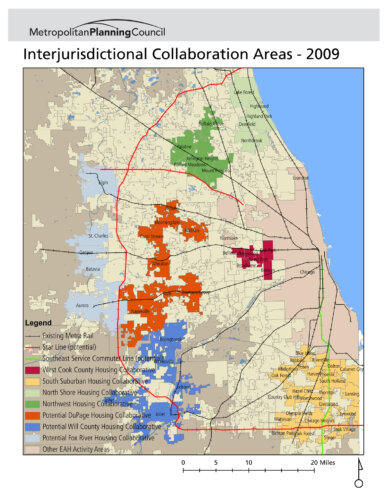
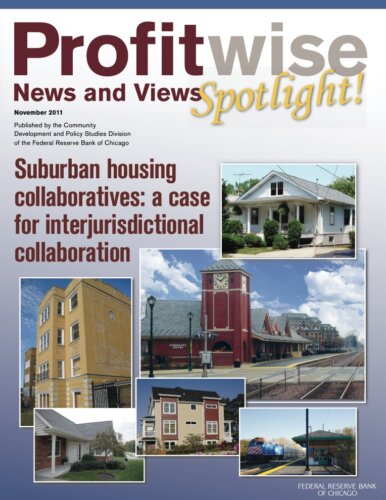
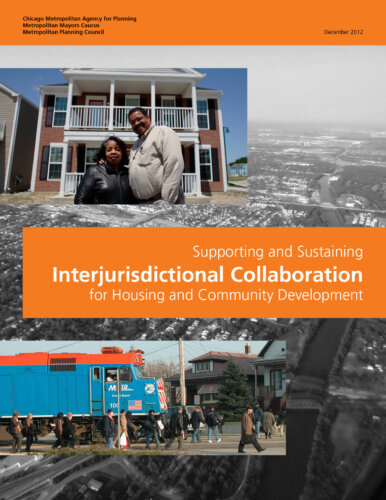
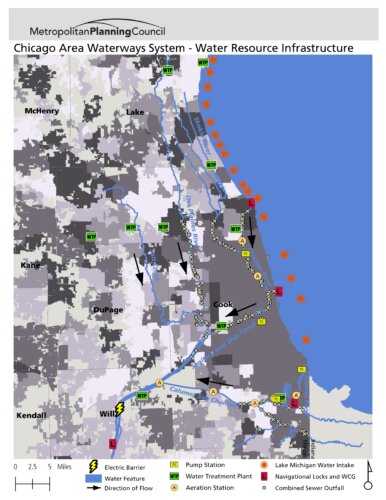
Map PDF (1.37 MB) Oct 27, 2023 As of Oct. 30, 2009, MPC and its partners are actively building several interjurisdictional partnerships throughout northeastern Illinois. Partnerships listed as 'potential' reflect initial conversations with local decision-makers. View resource Download file |
| Marketing Transportation Services to Chicago’s Polish Community | Publication | PDF (8.37 MB) | Oct 27, 2023 |
Publication PDF (8.37 MB) Oct 27, 2023 This white paper describes research conducted by MPC Commute Options Project Manager Tim Grzesiakowski and Research Assistant Ziggy Czykieta about marketing transportation services to the Chicago area's Polish community. It discusses the four waves of immigration from Poland to the U.S., where Poles in the Chicago area live, what transit information is provided in Polish, and how Chicago's Polish media covers transportation stories. View resource Download file |
| MarySue Barrett joins panel on innovations related to the American Recovery and Reinvestment Act | Video | Link | Jan 7, 2009 |
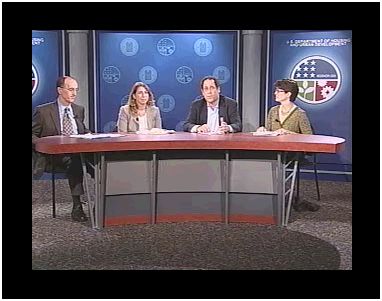
Video Link Jan 7, 2009 On-the-ground innovations related to the American Recovery and Reinvestment Act Bruce Katz of the Brookings Institution moderated a HUD webcast on the American Recovery and Reinvestment Act and Innovations with three panelists from across the country, including MPC President MarySue Barrett. MarySue was asked to discuss the motivation and status of the the interjurisdictional work underway in the South Suburbs -- with technical support from MPC and the Metropolitan Mayors Caucus -- to respond to the Neighborhood Stabilization Program. Eighteen communities have formed the South Suburban Housing Collaborative and, with resources from the Chicago Community Trust, recently hired a Director of Housing Initiatives to align programs,… View resource Go to link |
| Metrobús BRT station in Mexico City | Video | Link | Oct 27, 2023 |
| |
| Metrobús BRT station stop | Video | Link | Oct 27, 2023 |
| |
| Metropolitan Planning Council: 80 Years of Reinventing the Region | Video | Link | Oct 27, 2023 |
Video Link Oct 27, 2023 In 2014, the Metropolitan Planning Council celebrates 80 years of Reinventing the Region. Read more in MPC's latest annual report: https://metroplanning.org/annualreport/2013/default.aspx View resource Go to link |
| Metropolitan Planning Council: Agenda in Action | Video | Link | Sep 11, 2012 |
Video Link Sep 11, 2012 Since 1934, the Metropolitan Planning Council (MPC) has been dedicated to shaping a more sustainable and prosperous greater Chicago region. As an independent, nonprofit, nonpartisan organization, MPC serves communities and residents by developing, promoting and implementing solutions for sound regional growth. View resource Go to link |
| Metropolitan Planning Council: Who We Are & What We Do | Video | Link | Oct 27, 2023 |
Video Link Oct 27, 2023 Since 1934, the Metropolitan Planning Council (MPC) has been dedicated to shaping a more equitable, sustainable and prosperous Chicago region. MPC brings the right people together to take on the biggest challenges, ensuring that in the years and decades yet to come, everyone across the Chicago region will live in more equitable, vibrant neighborhoods, bustling with life and economic opportunity. View resource Go to link |
| Michael Webber on the energy-water nexus | Video | Link | May 8, 2010 |
Video Link May 8, 2010 Metropolitan Planning Council and Openlands hosted a roundtable on Aug. 3, 2010, focused on the connections between energy and water use. This was the second event in our summer series, "Choosing our Water Future," and topics explored included: * The energy demands of water systems, and the water demands of energy production, * The impact of energy costs for water consumption on municipal budgets in northeastern Illinois, * The potential for monetization of water-energy savings, and * National and international best practices in utility planning and water-energy conservation. This video features Dr. Michael Webber, Associate Director of the Center for International… View resource Go to link |
| Mobility for Metropolitan Chicago: An Expanded Role for Public Transit | Publication | PDF (6.13 MB) | Sep 30, 1994 |
Publication PDF (6.13 MB) Sep 30, 1994 September 1994 This 1994 report by the Metropolitan Planning Council (MPC), resulting from a regional task force convened in June 1993 and funded by the RTA, said “financial restructuring and service expansion are more likely to succeed if the region tackles three difficult issues that contribute to the current mobility problems: Land use should support transportation investments Public funds for transportation should provide incentives to achieve regional goals Regional governance structures should be reworked to be more responsive to changing transportation needs." View resource Download file |
| Mobility In and Beyond Communities | Publication | PDF (2.44 MB) | Jan 23, 2024 |
Publication PDF (2.44 MB) Jan 23, 2024 What is the role of transportation in accessing opportunity? Transportation regularly comes up as a key factor for accessing employment and other needs such as food, shopping, recreation and community services. Transportation can be an even more significant challenge for people living in economically disconnected areas. The issues are multifaceted and complex. Affordable housing is often located far from employment centers. In some cases, the transit system is not designed to overcome that spatial barrier. Many communities do not have all the amenities people need for a high quality of life, requiring more effort spent on travel to meet those… View resource Download file |
| Mobility is Justice | Video | | Oct 27, 2023 |
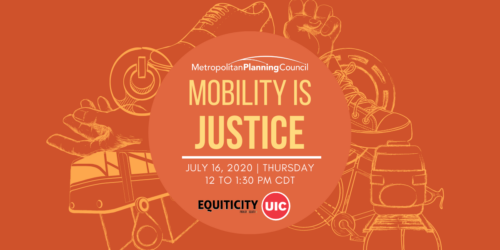
Video Oct 27, 2023 The COVID-19 crisis is showing us that even with remote technologies that allow some people to work from home, essential workers must be able to get to work at places like hospitals, grocery stores, food service and essential retail. Put simply, transportation for workers matters for us all, but many disadvantaged workers and job seekers face serious transportation challenges. In the Chicago region, 2.8 million people– mostly low-income communities of color – live in economically disconnected areas. This event highlights national research on equity-oriented performance measures and highlight methods that can be applied in our region. Speakers Audrey Wennink, Director… View resource |
| Model Behavior: A Framework for Regional, Inter-jurisdictional, and Multi-level Stormwater Planning | Publication | PDF (4.62 MB) | Oct 27, 2023 |
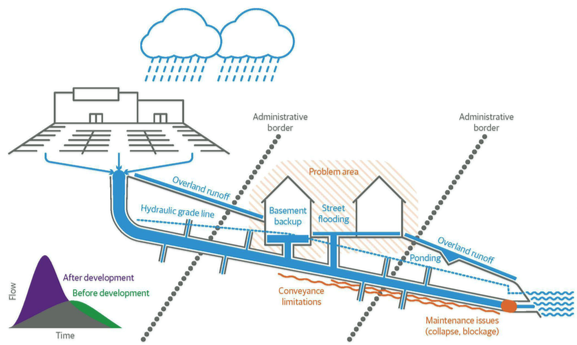
Publication PDF (4.62 MB) Oct 27, 2023 Water knows no boundaries. Following the path of least resistance, it flows downhill, often crossing many arbitrary lines: municipal borders, infrastructure rights, planning areas, and modeling extents. While water may not respect these border lines, they nevertheless inform our decisions as water resource managers, elected officials, property owners and citizens—so they matter a great deal. The Metropolitan Planning Council (MPC), working in concert with CH2M, a global engineering leader with experience in the Chicago region, created this Regional Planning Framework because we believe that the ability to plan and implement stormwater solutions across boundaries is a vital component of the next… View resource Download file |
| Moving at the Speed of Congestion – The True Costs of Traffic in the Chicago Metropolitan Area August 2008 | Publication | PDF (6.06 MB) | Oct 27, 2023 |
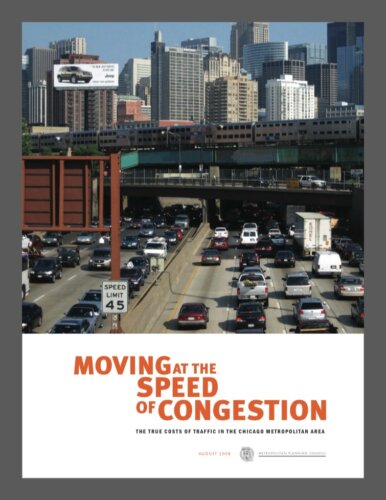
Publication PDF (6.06 MB) Oct 27, 2023 This report presents findings from a study conducted by HDR Decision Economics, in association with Dr. Alex Anas, for the Metropolitan Planning Council. The main purpose of the study is to analyze and, to the extent possible, quantify the costs resulting from traffic congestion on area roads, including costs in lost time, wasted fuel, and environmental degradation. Although the Urban Mobility Report series prepared at the Texas Transportation Institute (TTI) has already done much to quantify and publicize these costs for Chicago and many other urban areas, it is merely one perspective on this subject. A number of metropolitan planning… View resource Download file |
| MPC 2010 Annual Luncheon: Alexi Giannoulias part 1 | Video | Link | Oct 27, 2023 |
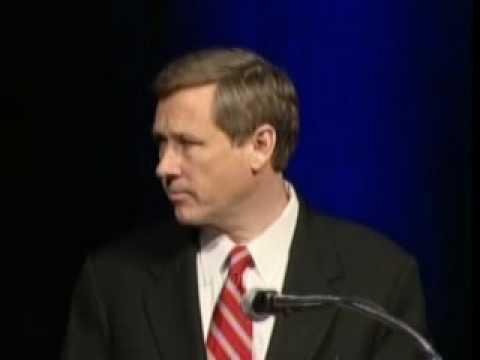
Video Link Oct 27, 2023 Illinois' U.S. Senate candidates Alexi Giannoulias (D), Mark Kirk (R), and LeAlan Jones (Green) explained their plans for improving Illinois' economy, infrastructure, communities and environment at the Metropolitan Planning Council (MPC) 2010 Annual Luncheon at the Hyatt Regency Chicago this afternoon. Nearly 1,000 Chicago-area corporate, civic, government and community leaders attended the event. In a non-debate format, Lynn Sweet, Chicago Sun-Times Washington bureau chief, interviewed Giannoulias, Kirk and Jones about their plans to support regional planning, improve coordination among federal agencies, achieve positive returns for metropolitan Chicago through the next federal surface transportation bill, and ensure the region has enough… View resource Go to link |
| MPC 2010 Annual Luncheon: Alexi Giannoulias part 2 | Video | Link | Oct 27, 2023 |
Video Link Oct 27, 2023 Illinois' U.S. Senate candidates Alexi Giannoulias (D), Mark Kirk (R), and LeAlan Jones (Green) explained their plans for improving Illinois' economy, infrastructure, communities and environment at the Metropolitan Planning Council (MPC) 2010 Annual Luncheon at the Hyatt Regency Chicago this afternoon. Nearly 1,000 Chicago-area corporate, civic, government and community leaders attended the event. In a non-debate format, Lynn Sweet, Chicago Sun-Times Washington bureau chief, interviewed Giannoulias, Kirk and Jones about their plans to support regional planning, improve coordination among federal agencies, achieve positive returns for metropolitan Chicago through the next federal surface transportation bill, and ensure the region has enough… View resource Go to link |
| MPC 2010 Annual Luncheon: Candidates Response | Video | | Oct 27, 2023 |
Video Oct 27, 2023 Illinois’ U.S. Senate candidates Alexi Giannoulias (D), Mark Kirk (R), and LeAlan Jones (Green) explained their plans for improving Illinois’ economy, infrastructure, communities and environment at the Metropolitan Planning Council (MPC) 2010 Annual Luncheon at the Hyatt Regency Chicago this afternoon. Nearly 1,000 Chicago-area corporate, civic, government and community leaders attended the event. View resource |
| MPC 2010 Annual Luncheon: LeAlan Jones answers part 2 | Video | Link | Oct 27, 2023 |
| |
| MPC 2010 Annual Luncheon: Mark Kirk answers part 1 | Video | Link | Oct 27, 2023 |
| |
| MPC 2010 Annual Luncheon: Mark Kirk answers part 2 | Video | Link | Oct 27, 2023 |
Video Link Oct 27, 2023 Illinois' U.S. Senate candidates Alexi Giannoulias (D), Mark Kirk (R), and LeAlan Jones (Green) explained their plans for improving Illinois' economy, infrastructure, communities and environment at the Metropolitan Planning Council (MPC) 2010 Annual Luncheon at the Hyatt Regency Chicago this afternoon. Nearly 1,000 Chicago-area corporate, civic, government and community leaders attended the event. In a non-debate format, Lynn Sweet, Chicago Sun-Times Washington bureau chief, interviewed Giannoulias, Kirk and Jones about their plans to support regional planning, improve coordination among federal agencies, achieve positive returns for metropolitan Chicago through the next federal surface transportation bill, and ensure the region has enough… View resource Go to link |
| MPC 2016 Annual Luncheon: Equity and Segregation in Chicagoland | Video | Link | Oct 27, 2023 |
Video Link Oct 27, 2023 At Metropolitan Planning Council's (MPC) 2016 Annual Luncheon on Monday, Jan. 9, 2017, this video served to set up a conversation about the role of foundations in improving equity of opportunity for everyone in Chicagoland. View resource Go to link |
| MPC 2023 Annual Report | | PDF (3.58 MB) | Jun 4, 2024 |
PDF (3.58 MB) Jun 4, 2024 The 2023 Annual Report celebrates the strides we've made toward a more equitable and just Chicago region. We remain committed to shaping a Chicago region that values every community and where everyone can affordably live, work, and thrive. View resource Download file |
| MPC 75th Anniversary Video | Video | Link | Oct 27, 2023 |
| |
| MPC 990 (2020) | | PDF (13.22 MB) | Jan 24, 2024 |
| |
| MPC 990 (2021) | | PDF (0.35 MB) | Jan 24, 2024 |
| |
| MPC 990 (2022) | | PDF (0.32 MB) | Jan 26, 2024 |
| |
| MPC and Openlands Roundtable — Rain Check: Regional Solutions to Stormwater Management | Video | Link | Oct 27, 2023 |
Video Link Oct 27, 2023 This summer's drought is no fluke. The Chicago region's precipitation patterns are trending toward longer periods without rain punctuated by sudden bursts of rapid, intense rainfall that overload local and regional sewer systems -- causing basement back-ups basements and untreated discharges to waterways. Solutions exist, but they are costly and require coordination between multiple units of government and private property owners.Fortunately, the Chicago region doesn't face these challenges alone. Other midwestern metropolitan areas with comparable climate, infrastructure and water management governance structures are grappling with the same issues: How do we priortize investment in gray vs. green infrastructure? How do… View resource Go to link |
| MPC and ULI Chicago Roundtable—Cook County Land Bank: Returning Vacant Land to Productive Use | Video | Link | Jul 2, 2013 |
Video Link Jul 2, 2013 Vacant, abandoned and blighted properties impede Cook County's economic development, weaken the tax base, and impose significant costs to local governments. A countywide land bank is needed to return large swaths of land to productive use and stabilize local communities across Cook County. With approximately 10 percent of housing units in Cook County standing vacant and foreclosure activity up 28 percent in the first half of 2012, Cook County Commissioners and President Toni Preckwinkle authorized the creation of a Land Bank Advisory Committee (LBAC). The LBAC, chaired by MPC's MarySue Barrett, consisted of civic, financial, legal, and community development professionals… View resource Go to link |
| MPC Annual Report (2022) | | PDF (2.54 MB) | Jan 10, 2024 |
| |
| MPC Audited Financial Statements (2020) | | PDF (0.35 MB) | Jan 24, 2024 |
| |
| MPC Audited Financial Statements (2021) | | PDF (0.38 MB) | Jan 24, 2024 |
| |
| MPC Audited Financial Statements (2022) | | PDF (1.14 MB) | Jan 24, 2024 |
| |
| MPC Issue Brief: Restrictive Covenants/Deed Restrictions | Publication | PDF (1.07 MB) | Nov 9, 2007 |
Publication PDF (1.07 MB) Nov 9, 2007 The Metropolitan Planning Council's Issue Brief on Restrictive Covenants/Deed Restrictions. View resource Download file |
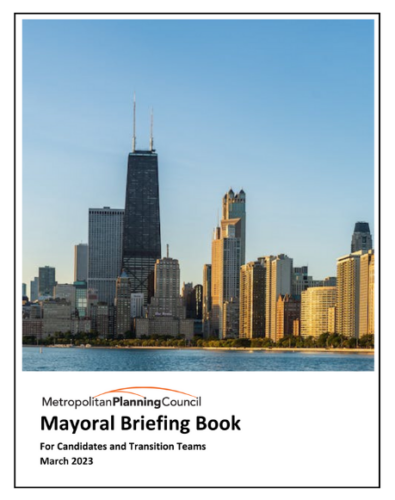
| MPC Mayoral Briefing Book (2023) | Publication | PDF (1.06 MB) | Oct 27, 2023 |
Publication PDF (1.06 MB) Oct 27, 2023 MPC has released its 2023 Mayoral Briefing Book, a wide-ranging outline of priorities that includes specific action items for the next administration. Outlined priorities relate to the urban built environment and include public transit and transportation, stormwater management, safe drinking water, and inclusive, community-based planning. View resource Download file |
| MPC Recommendations Regarding Notification for Map Amendments and Variations | Publication | | Jan 4, 2004 |
Publication Jan 4, 2004 Issue Chicago’s current zoning ordinance requires that all owners of properties within 250 feet of each lot line of a property applying for an amendment, and within 100 feet for variations must receive notification delivered in person or by certified mail, return receipt requested. MPC has three concerns about the current code. First, this method does not include renters. According to the 2000 U.S. Census, 56.2 percent of Chicago residents are renters, so notification is missing a large and important group of community members. Second, if notification is delivered via certified mail or return receipt, the owner must sign the… View resource |
| MPC Roundtable — Bus Rapid Transit on a Roll in Chicago | Video | Link | Jan 3, 2013 |
Video Link Jan 3, 2013 Offering similar benefits to rail, but at a fraction of the cost, Bus Rapid Transit (BRT) will make the most of Chicago's existing street infrastructure to better connect people to neighborhoods and destinations across the city. This new form of public transportation not only will increase access to jobs, retail and institutions, including schools and hospitals, but also will run more efficiently than a regular bus, saving riders time and money.The City of Chicago has big BRT plans, most significantly the development of a system plan to scope out future priority BRT routes. Already, individual routes are in the works:… View resource Go to link |
| MPC Roundtable — Getting our Money’s Worth: Using Value Capture to Fund Transit | Video | Link | Nov 9, 2012 |
Video Link Nov 9, 2012 Even as the economy struggles, our growing regional population is demanding smarter investments to expand and improve transit. Given the scarcity of available public funds, governments are beginning to tap innovative financing tools such as variable parking pricing, public private partnerships, and value capture around bus and rail stations. Because transportation networks and land values are closely linked, public investments in transportation infrastructure can increase the value of land surrounding these investments, benefiting landowners, developers and governments. This roundtable will explore how value capture and other innovative financing tools can generate revenue to finance transportation operations and future expansion, such… View resource Go to link |
| MPC Roundtable — Plugging in to Placemaking: Technology’s Role in Community Planning | Video | Link | Sep 10, 2012 |
Video Link Sep 10, 2012 Imagine a busy Dad who spends his days at the office and his evenings shuttling kids to practices and play dates. Or a businesswoman whose work frequently takes her out of town. Consider the night student, the small business owner, the shift worker: These are just a few of people who have something to contribute to local community decisions, but rarely have the time to attend traditional public meetings. Increasingly, technology is helping to engage new community voices in local planning. Through laptops, tablets, and mobile phones, Americans are "plugged in," even while on the go: An April 2012 Pew… View resource Go to link |
| MPC Roundtable — State-of-the-Smart: Maximizing Capacity with Intelligent Transportation Systems | Video | Link | Nov 10, 2012 |
Video Link Nov 10, 2012 Improving transportation infrastructure means more than building roads and bridges. Intelligent Transportation Systems (ITS) use technology to maximize the capacity of existing infrastructure to improve traffic flow, decrease delays, and give riders up-to-the-minute system information for a relatively low cost. The Chicago region has several examples of ITS, such as the Chicago Transit Authority's bus and train trackers and the Illinois Tollway's I-PASS electronic tolling system. Still, there is tremendous room for growth. This roundtable will showcase how cities around the world are proving the real potential of ITS by implementing such technologies as congestion pricing, variable priced parking, and… View resource Go to link |
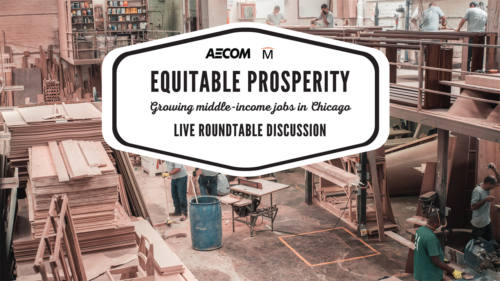
| MPC Roundtable Equitable Prosperity: A discussion on growing middle-income jobs in Chicago | Video | | Oct 27, 2023 |
Video Oct 27, 2023 The coronavirus pandemic has made it clear that communities and individuals have not been well served by the current economic system with many unable to afford basic needs, like housing, food and utilities. New creative approaches are needed to help the Chicago region plan for an equitable response and build back better than before this crisis. Join MPC and AECOM for a discussion about how Chicago can create and maintain middle-income jobs in the city’s industrial corridors through providing the necessary planning infrastructure and policy ecosystem needed to bolster employees and neighborhoods. Two key questions the panel will explore is… View resource |
| MPC Roundtable–Can Chicagoland Grow by Filling In? | Video | Link | Jun 10, 2015 |
Video Link Jun 10, 2015 Infill development is a strategic way to grow and strengthen our region, by giving new life to land within existing cities and suburbs. By creating new residential and job opportunities in places that already have quality transportation options, infrastructure and amenities, we can mitigate traffic congestion, municipal costs and air pollution, all while improving people’s lives: Indeed, new research by Smart Growth America and the University of Utah shows how residents of more compact regions have lower household costs, live healthier, longer lives and more easily build wealth and social capital.So why are metropolitan regions increasingly growing outward? Between 2000… View resource Go to link |
| MPC Roundtable—Accelerate Illinois: Addressing Our Transportation Funding Shortfalls | Video | Link | Oct 27, 2023 |
Video Link Oct 27, 2023 Frustrated by your commute? You're not alone. From Chicago to Springfield, and from Belleville to Bourbonnais, Illinoisans in big and small towns alike are fed up with the state of our roads, bridges, transit lines, sidewalks and bike paths. A recent MPC survey found that most people experience transportation frustrations on a daily basis—no surprise considering that our state is grappling with a huge infrastructure backlog and diminishing funding to improve it. Join MPC on Friday, March 20, to learn about Accelerate Illinois, the campaign for a sustainable solution to fix what ails Illinois’ transportation system.MPC’s roundtable will feature Kirk… View resource Go to link |
| MPC Roundtable—BRT: Moving People, Driving Development | Video | Link | Nov 9, 2013 |
| |
| MPC Roundtable—Building Resilience: How To Engage and Mobilize Vulnerable Communities | Video | Link | Oct 27, 2023 |
| |
| MPC Roundtable—Building Resilience: Mega-storms, Mega-regions, Mega-plans | Video | Link | Oct 27, 2023 |
Video Link Oct 27, 2023 Against a backdrop of global population growth and urbanization, the recent National Climate Assessment made clear that extreme weather events—heat waves, drought, tropical storms, high winds, storm surges and heavy downpours—are becoming more severe and substantially affecting the safety, health and economy of entire communities. Events like Hurricane Sandy and northeastern Illinois' own flooding in 2011 and 2013 have made it clear that we remain vulnerable in spite of advances in disaster preparedness.This MPC roundtable will offer insight into the two biggest resiliency planning efforts to date—post-Katrina New Orleans and post-Sandy New York and New Jersey—featuring the thought leaders behind… View resource Go to link |
| MPC Roundtable—CREATE: Freight driving the economy | Video | Link | Oct 27, 2023 |
| |
| MPC Roundtable—Immeasurable Loss: Modernizing Lake Michigan Water Use | Video | MPEG (37.38 MB) | Oct 5, 2013 |
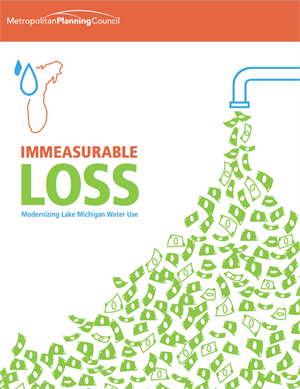
Video MPEG (37.38 MB) Oct 5, 2013 Audio-only recording of May 7, 2013 MPC Roundtable—Immeasurable Loss: Modernizing Lake Michigan Water Use. A video recording is also available. View resource Download file Go to link |
| MPC Roundtable—Let the Dollars Flow: Viable Ways to Finance Water Infrastructure | Video | Link | Oct 27, 2023 |
Video Link Oct 27, 2023 Our nation’s water service infrastructure is crumbling and in need of reinvestment, to the tune of $1 trillion to repair and upgrade drinking water infrastructure and some $300 billion to improve sewage collection and treatment facilities. While these numbers are hard to wrap our heads around, what’s encouraging is that most Americans—more than 80 percent—believe it is extremely important to invest in strategies to secure our water supplies for today and the future. So how do we get there? Join us for a roundtable featuring water industry leaders discussing a range of local, state and federal efforts toward workable funding… View resource Go to link |
| MPC Roundtable—Making the Case for Commute Options | Video | Link | Dec 12, 2013 |
| |
| MPC Roundtable—Making the Case for Commute Options (Transportation Demand Management) | Video | Link | Sep 12, 2013 |
Video Link Sep 12, 2013 Full recording (with corrected audio) of MPC's Dec. 6, 2013 roundtable, Making the Case for Commute Options.Did you know that of the 10 largest metropolitan areas in the United States, the Chicago region is the only one without a coordinated Transportation Demand Management (TDM) strategy? Meanwhile, more people are driving alone to work and fewer are taking transit, and congestion costs our region $7.3 billion a year. Yikes!In 2011, MPC began a Commute Options pilot, working with local employers to survey their employees about commuting patterns and design programs that provide alternatives to driving alone. MPC recruited 16 Chicago-area employers… View resource Go to link |
| MPC Roundtable—Progress on the GO TO 2040 Comprehensive Plan | Video | Link | Apr 6, 2014 |
| |
| MPC Roundtable—Smart Systems, Resilient Regions | Video | PDF (3.67 MB) | Oct 6, 2014 |
Video PDF (3.67 MB) Oct 6, 2014 If this winter has taught us anything, it's the value of being prepared—not just for the expected, like snow, but also for unforeseen climate conditions like the polar vortex. The increasing frequency of extreme weather events is creating a complex knot of pressures for governments, businesses and communities. Northeastern Illinois’ resiliency—our ability to provide critical public services such as transportation, communications, water and flood management—is being tested. This MPC Roundtable will highlight leading governance and technology practices that can help our region and others achieve greater infrastructure resilience and ensure that our businesses stay up and running during critical moments.… View resource Download file |
| MPC Roundtable—Station Transformation: A Union Station for the 21st Century | Video | Link | Oct 27, 2023 |
| |
| MPC Roundtable—Tough Stuff: Resilient Infrastructure in a Changing World | Video | PDF (2.03 MB) | Oct 27, 2023 |
Video PDF (2.03 MB) Oct 27, 2023 Slides from the May 15, 2013 MPC Roundtable on resilient infrastructure. View resource Download file |
| MPC Roundtable—Two Anchor Institutions, One Story of Revitalization through Housing Investment | Video | Link | Oct 27, 2023 |
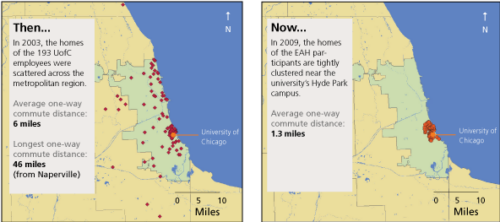
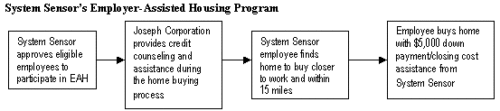
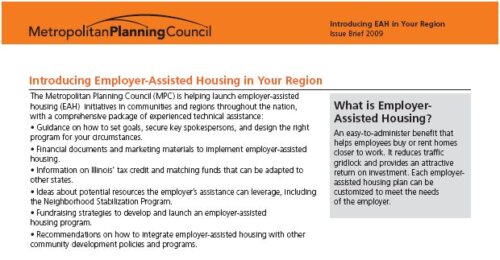
Video Link Oct 27, 2023 One is an academic institution in the heart of the city of Chicago; the other is a manufacturing company located 40 miles northwest in suburban Carpentersville, Ill., population 38,062. Though it may seem unlikely, University of Chicago and OTTO Engineering have some things in common: Both of these large employers are anchoring community redevelopment by investing in their local housing markets.At this MPC Roundtable, University of Chicago's Derek Douglas, vice president, civic engagement; and OTTO Engineering President Tom Roeser will compare and contrast how their unique housing reinvestment strategies support the local economy. UofC has offered an employer-assisted housing program… View resource Go to link |
| MPC Roundtable—Weather Proof: Collaborative Stormwater Solutions | Video | Link | Aug 4, 2014 |
Video Link Aug 4, 2014 While regulatory requirements and infrastructure systems often adhere to political and departmental borders, precipitation does not. The results are often fragmented decision-making and chronic stormwater issues like flooding and compromised water quality. And yet, the tools exist to collaborate effectively across borders on these vexing problems; where there's a collective will, there's a way. Solving our stormwater problems is a matter of scale, but also having unifying goals, a shared action agenda, and the right decision-making processes. Join us to explore what the Chicago region can learn from successful collaborative stormwater mitigation efforts elsewhere in the country.Confirmed speakers:Susan Harper, Public… View resource Go to link |
| MPC Roundtable: Can Chicagoland Thrive in the Trump Era? | Video | Link | Oct 27, 2023 |
Video Link Oct 27, 2023 After every election and inauguration, those of us concerned with regional planning ask, “What’s our game plan and where do we go from here?” Over two months after Donald Trump was elected president, we are still making sense of what is possible moving forward and the opportunities we have to ensure our region thrives.Join MPC and housing, transit and climate policy experts who will share their insights on what’s happening at the federal level and the impact it may—or may not—have on Illinois and Chicagoland.We will explore how Trump’s campaign promises may translate to public policy and the likely impacts… View resource Go to link |
| MPC Roundtable: Getting Smarter on Transportation | Video | Link | Sep 5, 2017 |
Video Link Sep 5, 2017 These days, squeezing extra dollars out of state and federal budgets is nearly impossible. That’s why transportation agencies are moving toward new, data-driven planning approaches to ensure the dollars they invest reap the maximum benefit. The Illinois Department of Transportation (IDOT) has recently taken a leap forward by developing one of the most advanced tools in the nation to evaluate roadway projects based on a set of criteria that ensure projects will achieve maximum return on investment. Join MPC to hear experts discuss performance-based planning in transportation and IDOT’s new tool for prioritizing investments. We'll explore the context for developing… View resource Go to link |
| MPC Roundtable: Pullman Pulling Ahead | Video | Link | Feb 3, 2017 |
Video Link Feb 3, 2017 Chicago’s first National Monument. A bright new Metra station. Local and national business expansion. Increasing incomes and education levels. And winner of MPC’s 2016 Burnham Award for Excellence in Planning. Simply put, the Pullman community has a lot going for it.And yet, many questions remain. Now that there is a federal presence in Pullman, what does it mean for fulfilling the promise of the National Monument—particularly in light of the new administration? How will economic forces, shifts in industrial land use, and housing market pressures elsewhere in Chicago affect the community? And how do we ensure that all of Pullman… View resource Go to link |
| MPC State Policy Agenda | Video | | Oct 27, 2023 |
Video Oct 27, 2023 Illinois is at an inflection point: As the state continues to lose population—in particular Black and Brown residents—while weathering ongoing and pandemic-related fiscal instability, positive signals during the early-January “lame duck” session of the Illinois General Assembly indicated that state lawmakers are ready to roll up their sleeves in Springfield this spring. The election of Ill. Rep. Emanuel “Chris” Welch as the first Black Speaker of the House, and sweeping criminal justice reforms passed during the lame duck represent new opportunities for the independent Metropolitan Planning Council (MPC) to work with all parties and both Chambers. In areas ranging from… View resource |
| MPC Testimony in Support of We Will Chicago | Publication | PDF (0.43 MB) | Oct 27, 2023 |
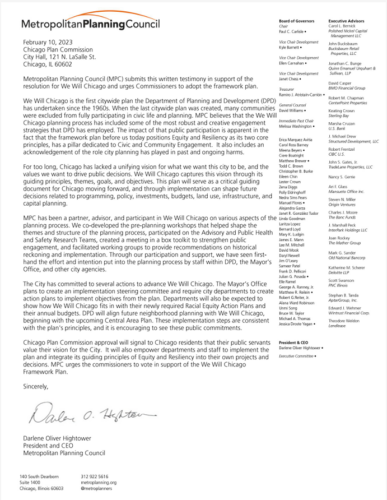
Publication PDF (0.43 MB) Oct 27, 2023 MPC urges Commissioners to adopt the We Will Chicago framework plan, which is the first citywide plan the Department of Planning and Development (DPD) has undertaken since the 1960s. For too long, Chicago has lacked a unifying vision of what we want this city to be, and the values we want to drive public deicisions. We Will Chicago captures this vision through its guiding principles, themes, goals, and objectives. MPC has been a partner, advisor, and participant in We Will Chicago on various aspects of the planning process. We co-developed the pre-planning workshops that helped shape the themes and structure… View resource Download file |
| MPC Think & Drink—Dr. David Ansell on how inequality kills | Video | Link | Oct 27, 2023 |
Video Link Oct 27, 2023 There is a 30-year gap in life expectancy between America’s wealthiest and poorest neighborhoods. This trend holds true in Chicago, where life expectancy varies by neighborhood, income, and race.In his 2017 book, The Death Gap: How Inequality Kills, Chicago-based physician David Ansell exposes the structural roots of the life expectancy gap: racial and economic discrimination. Ansell makes the case for why inequality should be considered a societal illness, and provides action steps to move toward health equity.Sponsored by: Presence Health and Revolution Brewing (beverages) View resource Go to link |
| MPC Year In Review—Accelerating Change | Video | Link | Apr 11, 2013 |
| |
| MPC’s 2009 Policy Agenda: Planning for Prosperity | Publication | PDF (0.64 MB) | Oct 27, 2023 |
Publication PDF (0.64 MB) Oct 27, 2023 Through careful planning and innovative strategies that make the most of limited financial resources, we can respond to pressing issues facing families, businesses and communities – and pave the way toward long-term sustainable growth in metropolitan Chicago. Guided by a powerful combination of common sense and best practices with a high return on investment, and in partnership with new leaders in Washington D.C. and Springfield, Chicagoland can move to the head of the class. View resource Download file |