
In the Current: Ping Tom Park (Reach 3)

By: Rachel Gaunce

By: Morgan Murphy
November 3, 2026 / Research
November 3, 2026 / Research
A case study on community-led design
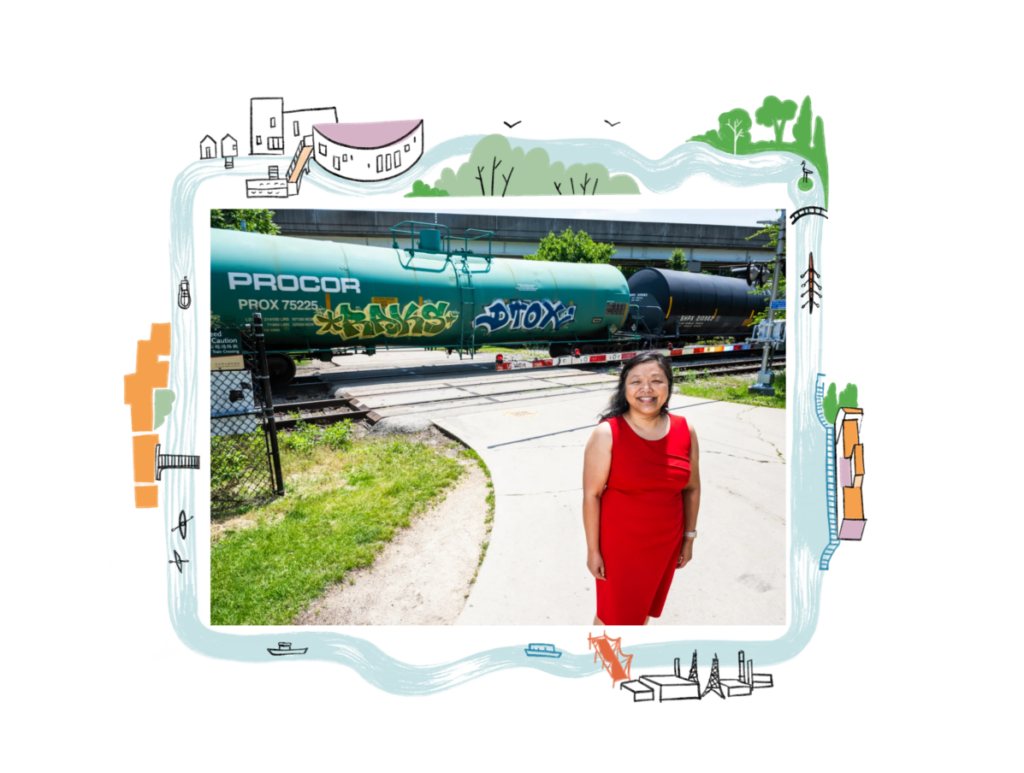
For much of its history, Chinatown’s riverfront reflected the South Branch’s industrial past. Buildings faced away from the water, and the river was often seen as the back of the neighborhood rather than a place to gather. MPC’s Rachel Gaunce connected with Grace Chan McKibben (Executive Director of the Coalition for a Better Chinese American Community (CBCAC) – pictured left) about Ping Tom Park, to understand how recent leadership, investment, and planning changed the river and community perceptions in this part of Reach 3.
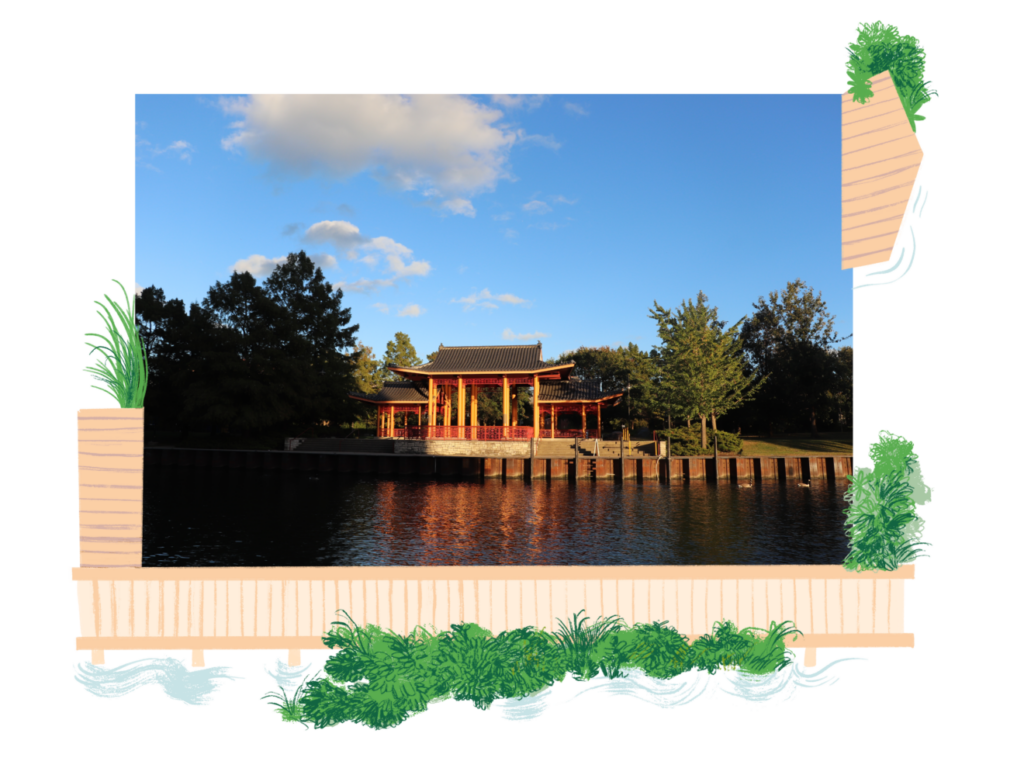
The main focus of the conversation was Ping Tom Memorial Park, which was established in 1999. After the demolition of Chinatown’s only two parks to make way for the Dan Ryan Expressway, two full generations of Chinatown residents grew up without access to local green space. In 1998, under the leadership of one of Chinatown’s most noted civic leaders, Ping Tom Park opened and renewed access to green space in this neighborhood. By using intentional design and turning the park toward the river, the park transformed an industrial edge into a vibrant public space with pedestrian-friendly paths, a playground, field houses with recreational opportunities for residents and visitors.
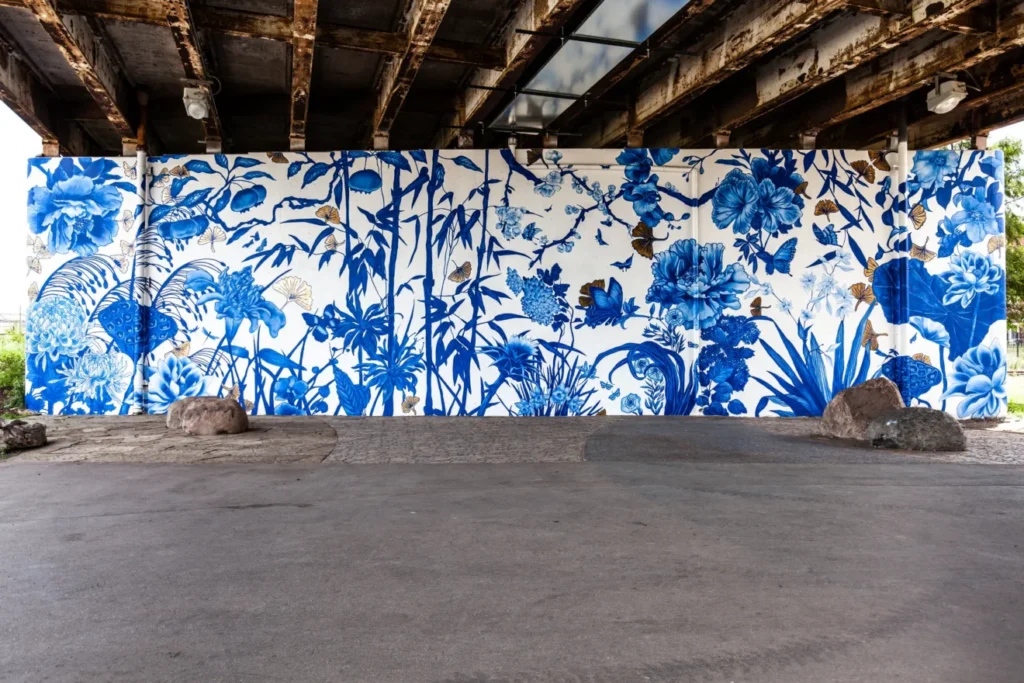
That transformation continued through the Chicago Community Trust and MPC’s Our Great Rivers initiative with the installation of two community murals (“All As One” by artists Andy Bellamo, Chester Chow and Anna Murphy and “Between The Mountains And The Water” by artist Anna Murphy) beneath the 18th Street Bridge. Created in partnership with the CBCAC and the Ping Tom Park Advisory Council, the murals bring color, culture, and identity to an overlooked space, creating a more welcoming connection between Chinatown and the riverfront.
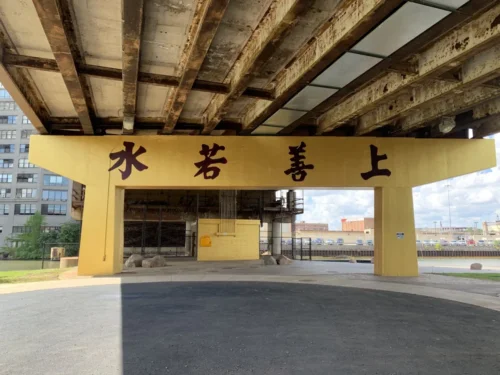
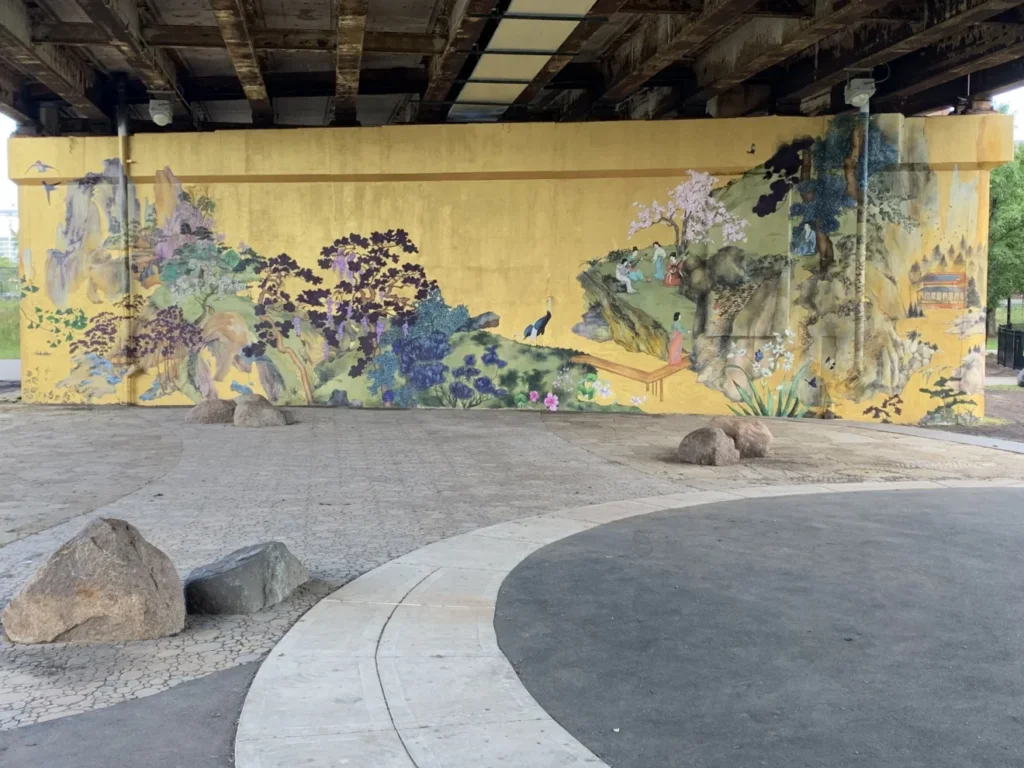
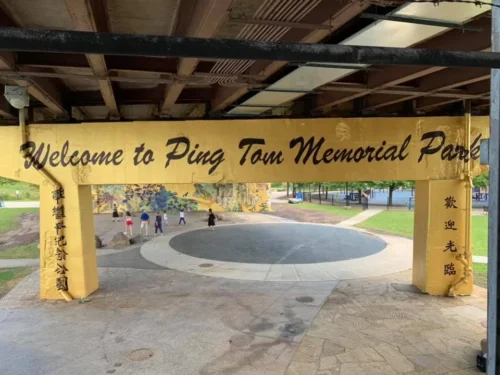
Grace reflected, “people don’t think about Chinatown as a riverfront community.” Through the establishment of Ping Tom Park and later the Our Great Rivers initiative, that perspective started to shift. The projects connected Chinatown with partners across the South Branch and entire river system, encouraging organizations to think about the river as one connected system, rather than a series of individual projects or parcels. In that way, it also provided opportunities for sharing successful strategies, resources, and ideas, while bringing environmental planning into conversations that often centered on housing and economic development.
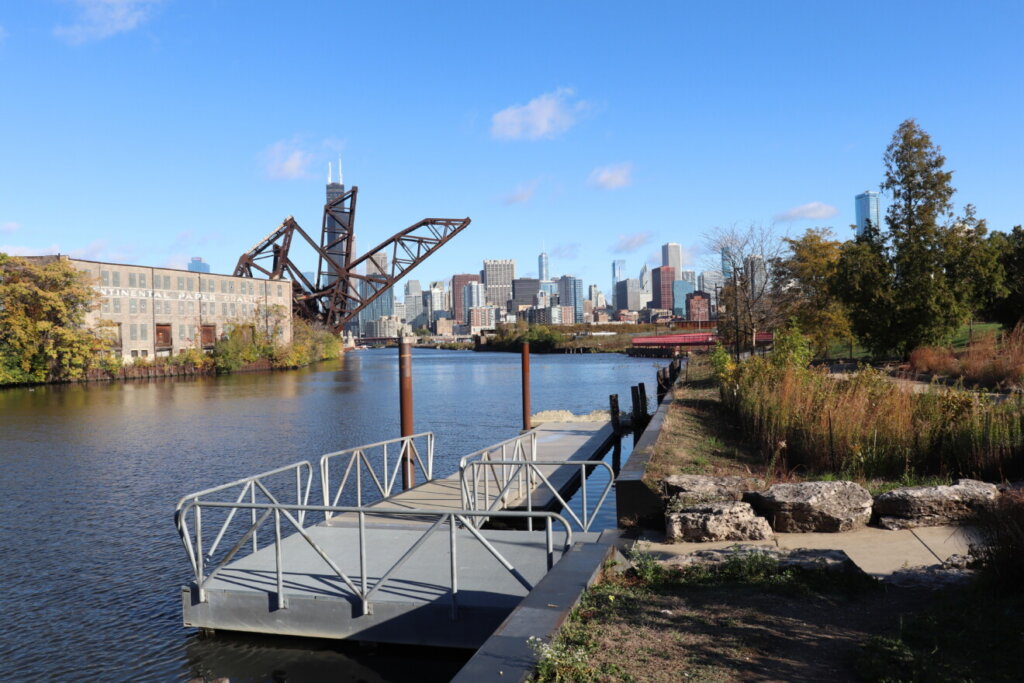
The initiative also helped CBCAC explore the river’s role in supporting local economic opportunity. Building on earlier planning efforts like the Chinatown Vision Plan -completed with Chicago Metropolitan Agency for Planning (CMAP) in 2015 – CBCAC studied the relationship between the riverfront, tourism, and local businesses. Through business surveys, visitor research, and community events at the murals, the organization gathered insights into how the river could better support Chinatown’s small businesses and cultural assets.
Together, Ping Tom Park and its murals show how community-led design, public art, and regional collaboration can transform a riverfront and perceptions of place. What was once defined by industry now reflects the people, culture, and the connections that make the South Branch an important part of Chinatown and the Chicago River System at-large.
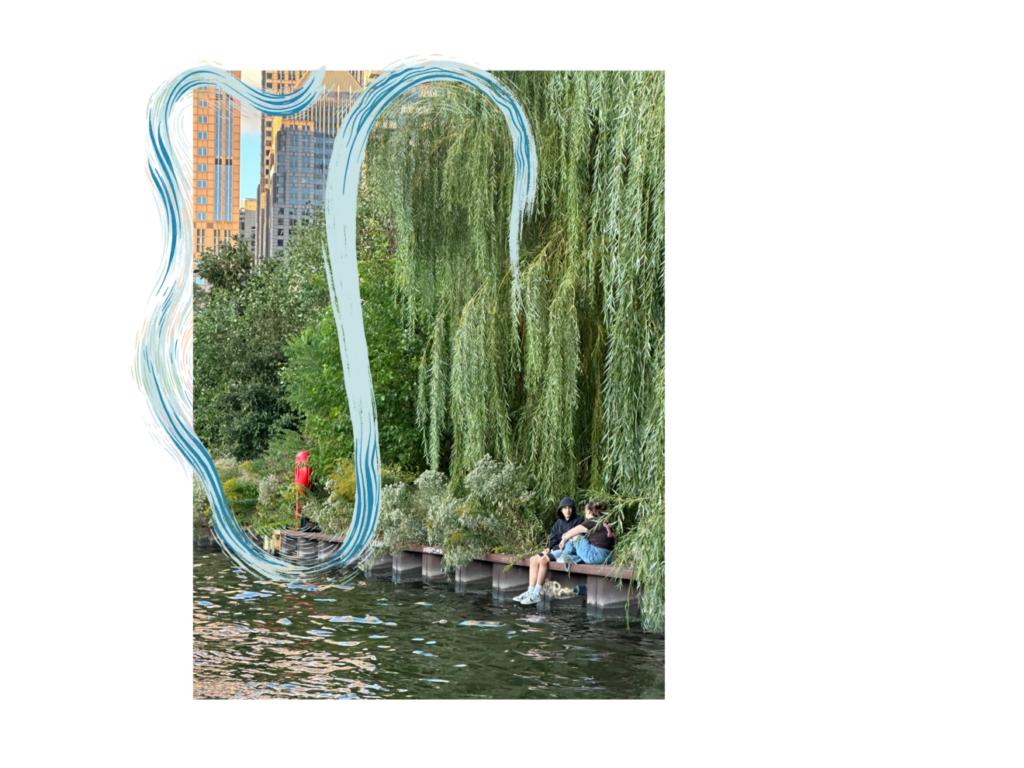
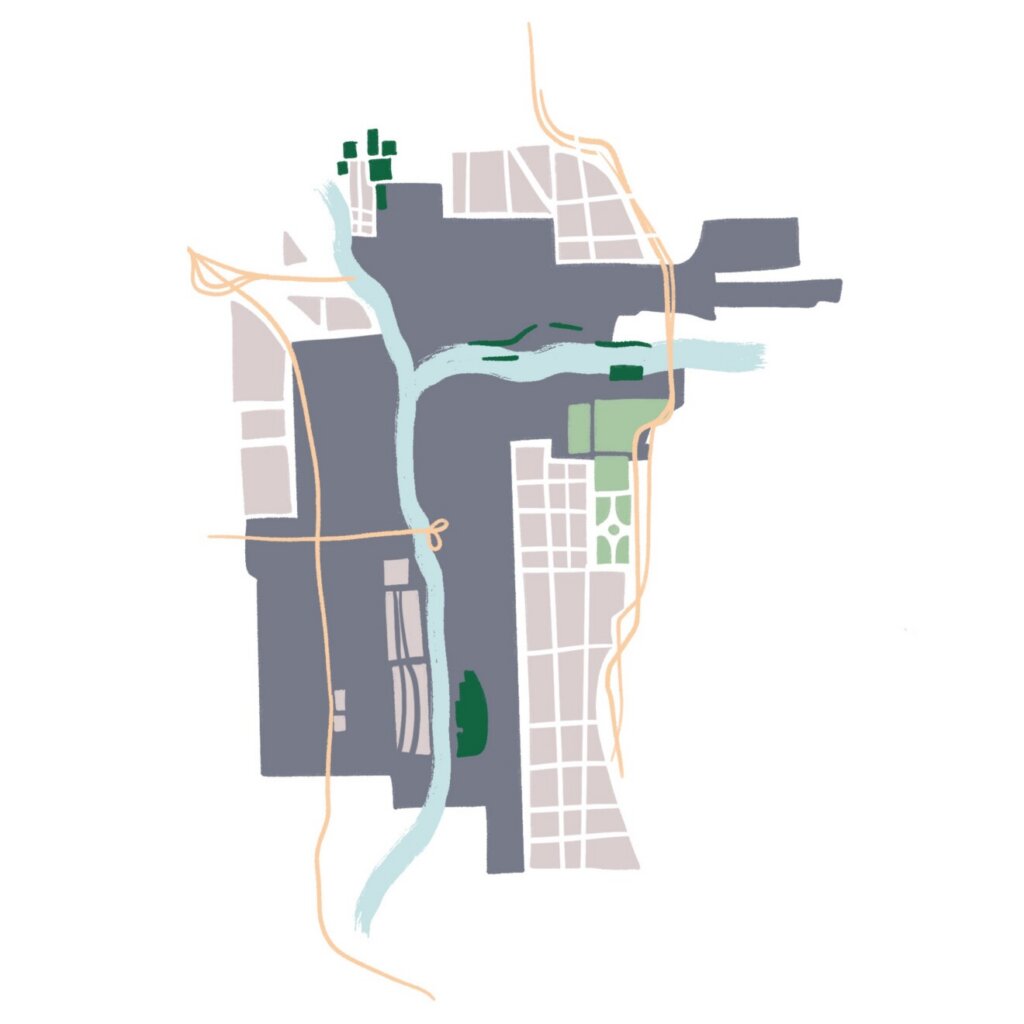
Reach 3 (Main Stem / Downtown / South Branch)
Explore MPC research and case studies from the other reaches in the Chicago River System below.