
In the Current: Park 571 (Reach 4)

By: Rachel Gaunce

By: Morgan Murphy
November 3, 2026 / Research
November 3, 2026 / Research
A case study on transformed land use
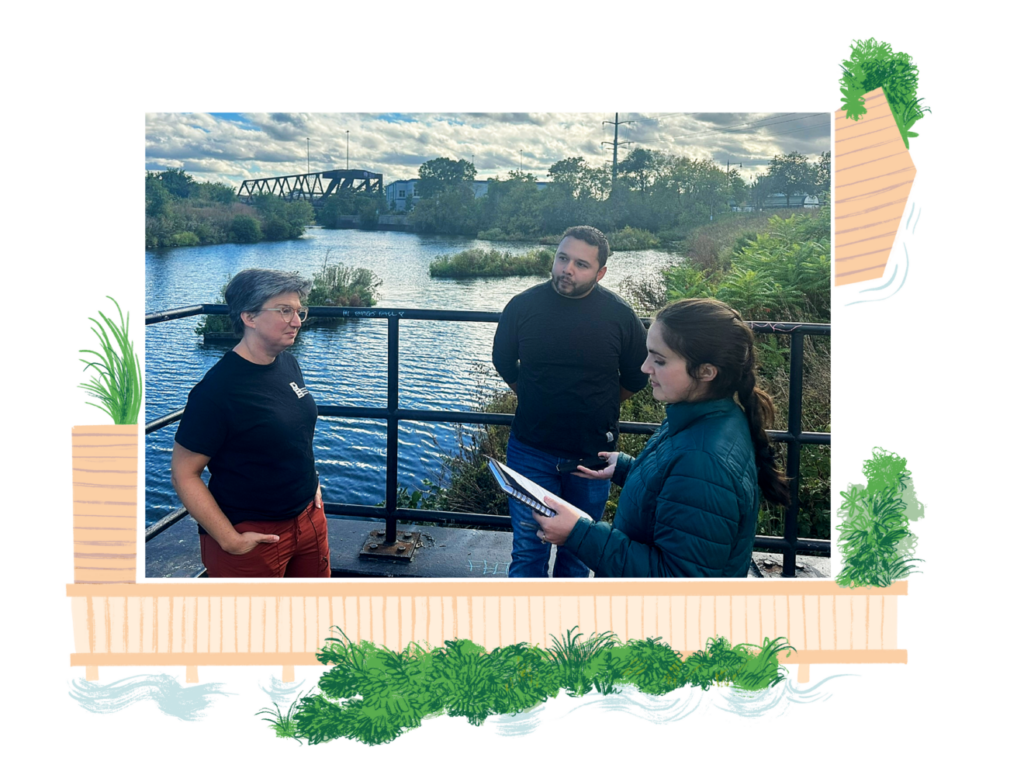
Kate Eakin (Executive Director of the McKinley Park Development Council (MPDC) – pictured left) and Eladio Montenegro (Director of Projects and Programs, MPDC – pictured center) hosted MPC staff Rachel Gaunce (pictured left) and Morgan Murphy at Park 571 in McKinley Park for a tour and conversation about the transformations of the southern part of Reach 4.
For generations, Bubbly Creek represented the industrial history of the South Branch of the Chicago River. Once a dumping ground for waste from the Union Stock Yards and later home to heavy industrial uses, the waterway was polluted and disconnected from surrounding communities. Kate shared, “the river has long defined our community, but it hasn’t always been a part of the community. Our neighborhood is bounded on two sides by water, but it hasn’t been accessible to us. It’s been blocked by industry for over 150 years in some cases.” Eladio added, “for me personally, the river has always been something that I – and people that I know – saw as something that wasn’t for us. It was something you drive over to get to work or school, but it never seemed like something you could visit.”
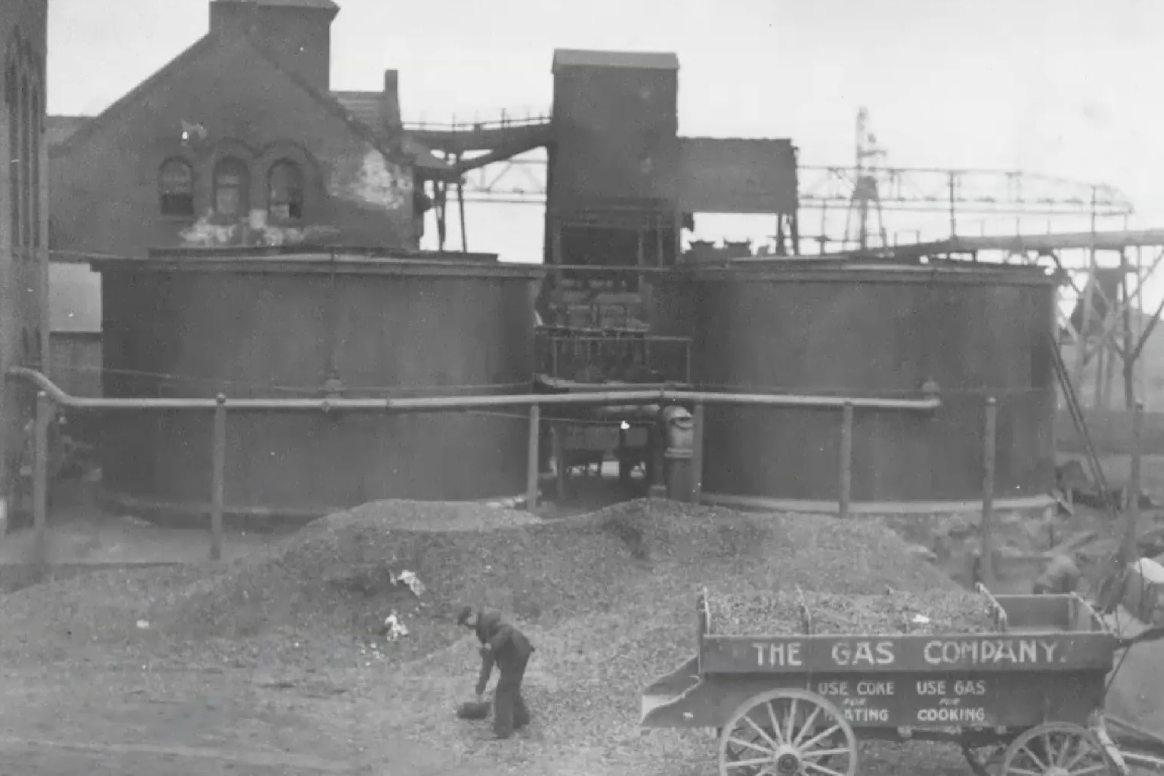
That’s been changing over the years. Decades of environmental progress, beginning with the Clean Water Act in 1973 and continuing through local restoration efforts, have helped the river recover and connect residents to the riverfront. New investments at Park 571, including the Eleanor Street Boathouse, have transformed a former industrial site into a public waterfront destination. Opened in 2016, the park provides river access, recreation, community programming, and a home for rowing teams and youth programs.
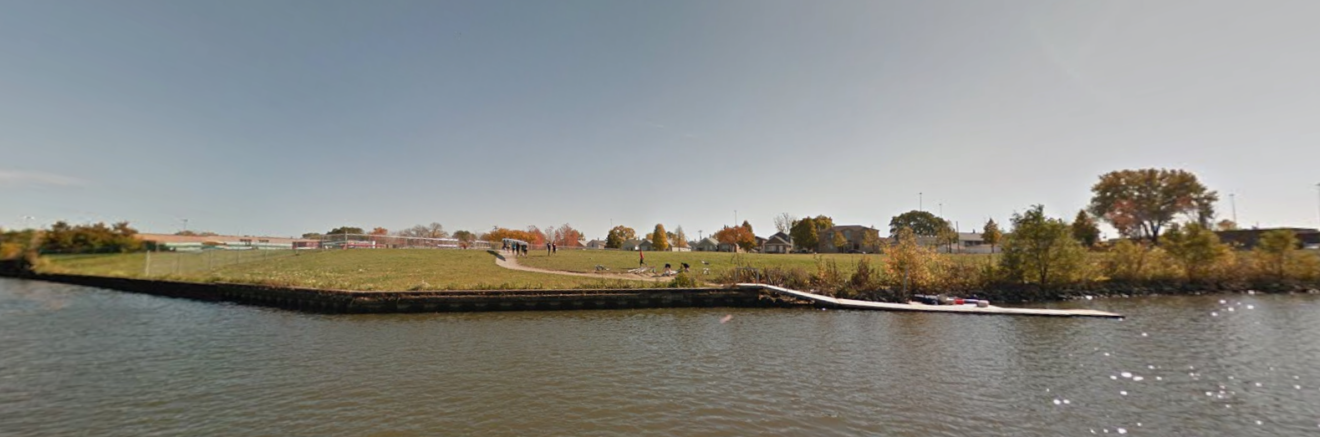
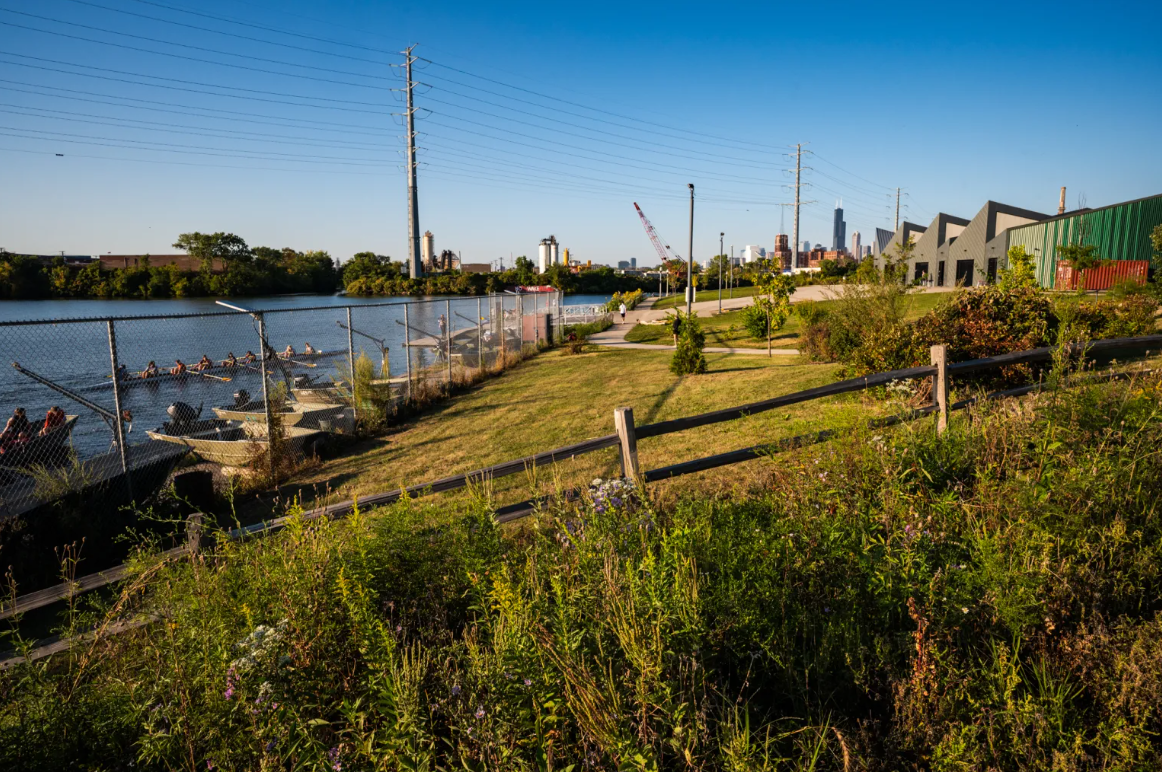
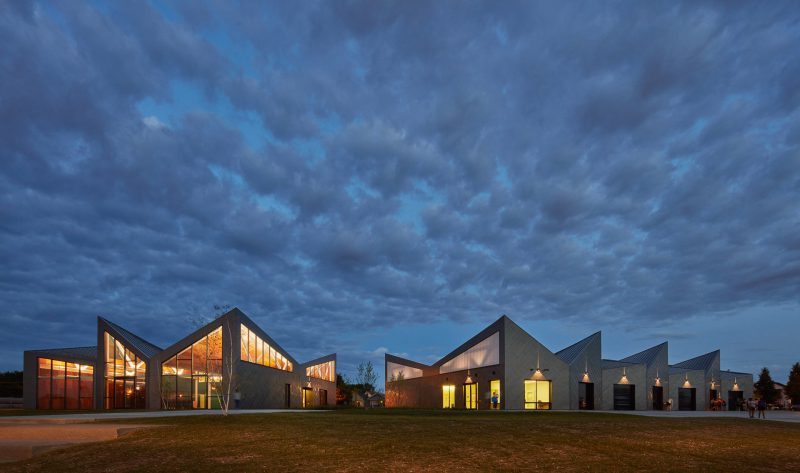
According to design firm Studio Gang, the Eleanor Boathouse (pictured right) is home to several rowing teams, clubs, and organizations that brave the Chicago River nearly year-round to train for competitions and build self-esteem and leadership skills, ultimately advancing their participants’ educational and life goals. In addition to highlighting the need for the continued revitalization of the river, the new facility—which also includes spaces for after-school mentoring and community events—allows for the expansion of these programs, extending their opportunities to people, and especially youth, on the South Side and across the city.
Photo Credit: Studio Gang
The relationship between residents and the river continues to change through the various projects that invite people near and onto the water. In 2022, Urban Rivers partnered with the Shedd Aquarium and Chicago Park District to install Chicago’s first floating wetlands at Bubbly Creek (pictured below). Built with the help of hundreds of community volunteers, the 3,000-square-foot floating gardens introduced thousands of native plants to that stretch of the river. These plants provide habitats for wildlife while filtering pollutants and improving water quality.
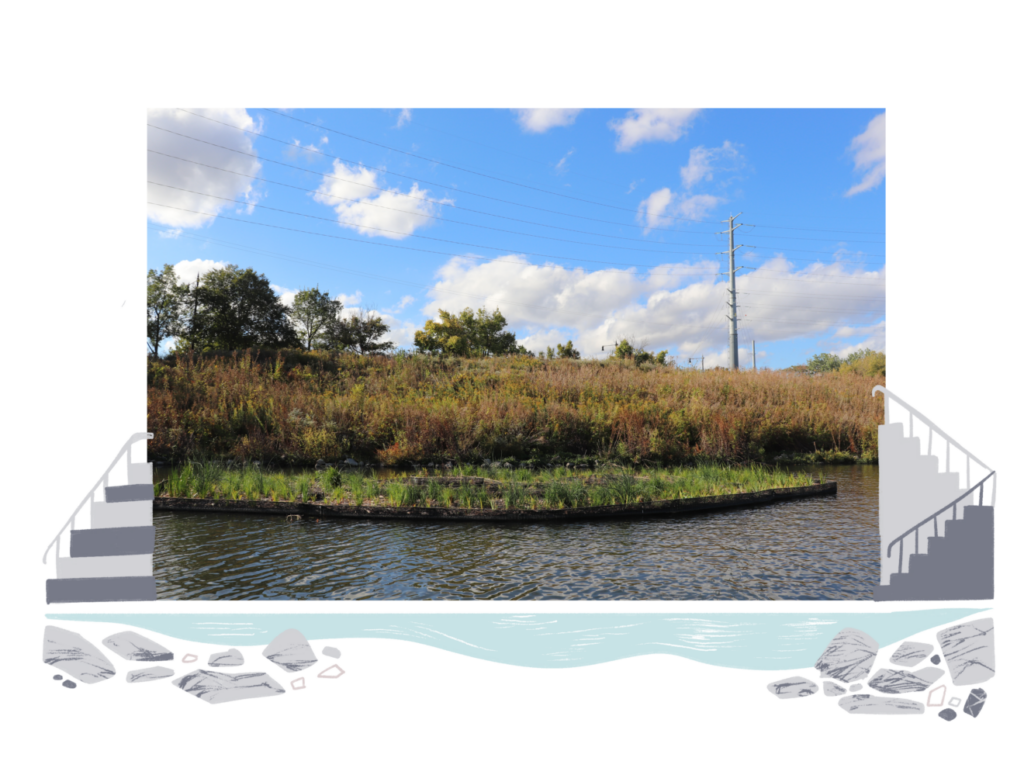
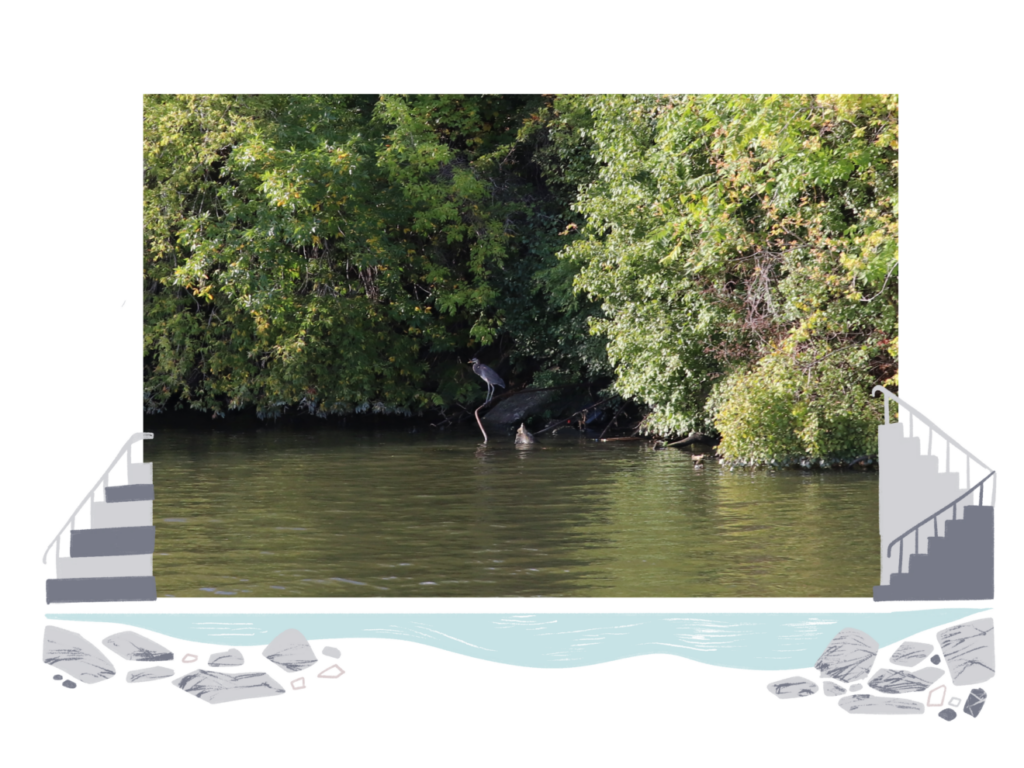
On the day of the interview, multiple heron and a bald eagle were seen around Bubbly Creek – fishing, resting, and representing the transition toward a healthier ecosystem.
The floating wetlands have also created a new way for residents to experience and care for the river. Through free community kayak days launched in 2023, hundreds of neighbors have been able to explore Bubbly Creek by water for the first time. As Kate explained, “the work that Urban Rivers has done has really sparked a lot of people’s imagination and increased visitors down here. It’s enabled a lot of our neighbors to get on the river for the first time and experience it.”
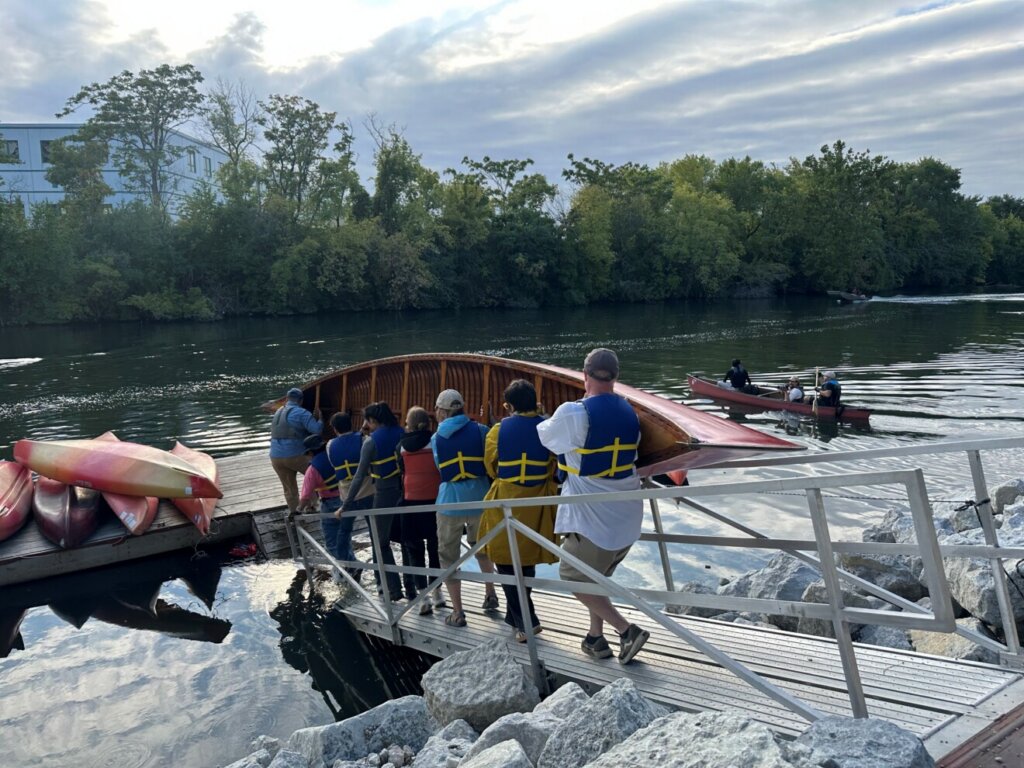
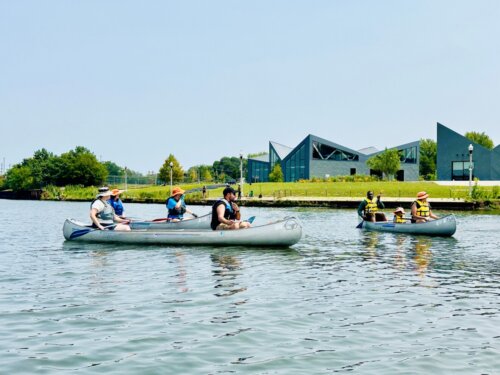
Photo Credit: McKinley Park Development Council
Left: War Canoe paddle along Bubbly Creek with Trust for Public Lands and Chicago Portage Paddle Company, Sep 2026
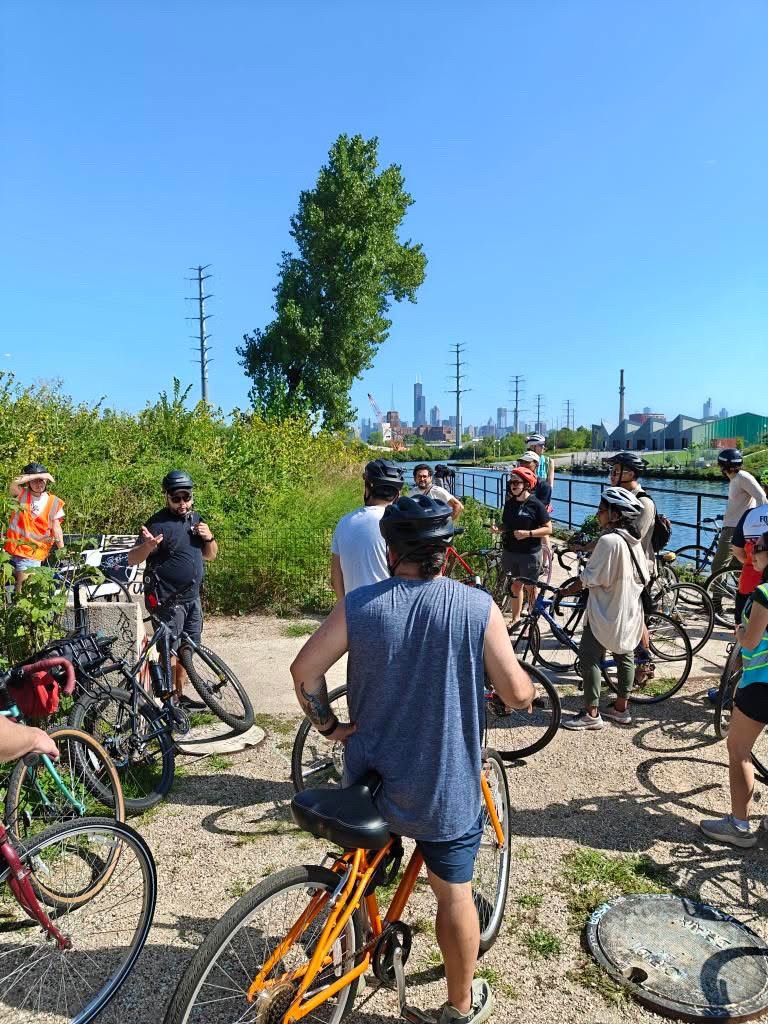
Above: MPDC Paddle of SBCP with Friends of the Chicago River, summer 2024
Below: MPDC Bike Ride tours along future riverfront path, summer 2025
Beyond these individual projects, the transformation of Bubbly Creek reflects a broader shift in how Chicago plans for its riverfront. The Eleanor Boathouse is one of four boathouses and river launches that the Chicago Park District have opened since 2013 in order to advance water-based recreation for all Chicagoans. Other boathouses and river launches include Ping Tom Park (Reach 3), Clark Park, and River Park (Reach 1).
The South Branch Park Advisory Council (SBPAC), MPDC, MPC, Friends of the Chicago River, and other partners have worked to envision a future where former industrial land can become public space, trails, and community amenities. The Chicago River Design Guidelines, updated in 2019, expanded expectations for public access and ecological restoration along the river edge in new development. Changes are visible in sub-sections, where the edge of the river varies greatly – from aged concrete walls or metal barriers to lush, green natural edges. MPDC, neighboring community organizations, and city agencies continue to plan and identify opportunities for a connected South Branch riverfront. In 2024, the Chicago Community Trust funded a project for the creation of the South Branch Connectivity Project: Framework Plan by MPDC.
The Project considers how to leverage the updated Chicago River Design Guidelines to establish continuous riverfront path along the South Branch of the Chicago River. Building on that foundation, since the time of the interview, virtually all recommendations from the Framework Plan have been absorbed into the South Branch Action Plan – a Chicago Department of Planning and Development plan heading to the Plan Commission by 2027. In the meantime, MPDC plans to unveil the South Branch Connectivity Project: Wayfinding and Signage Plan soon – also by 2027.
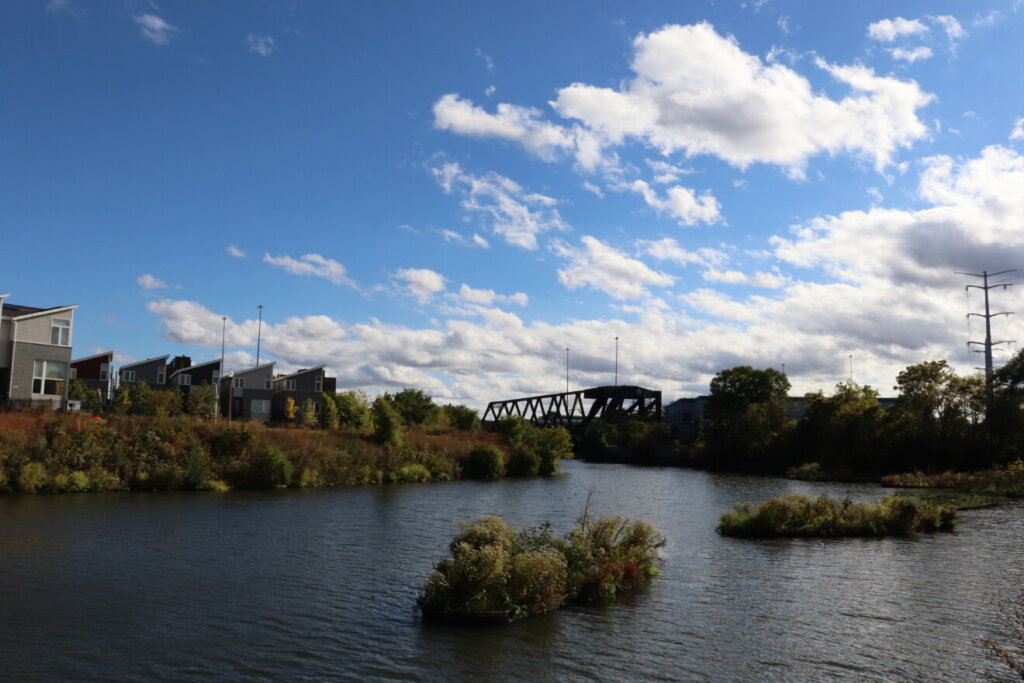
Today, Bubbly Creek represents a river in transition. While industrial uses remain, the landscape is changing toward parks, habitat, recreation, and community ownership. As Eladio reflected, “when I bring my kids out to canoe the river, or when I bring my family and friends and show them that you can do all this cool stuff on the water – that you don’t have to go to Michigan or Wisconsin or drive two hours away – it makes me happy.”
The story of Bubbly Creek is ultimately about reconnecting people with a place that has always shaped their community. It’s a story of transforming place to better support the lives that residents want to live. Once viewed as an exclusively industrial use that residents avoided, this stretch is becoming a shared asset where residents can gather, explore, and help steward the next chapter of the Chicago river corridors.
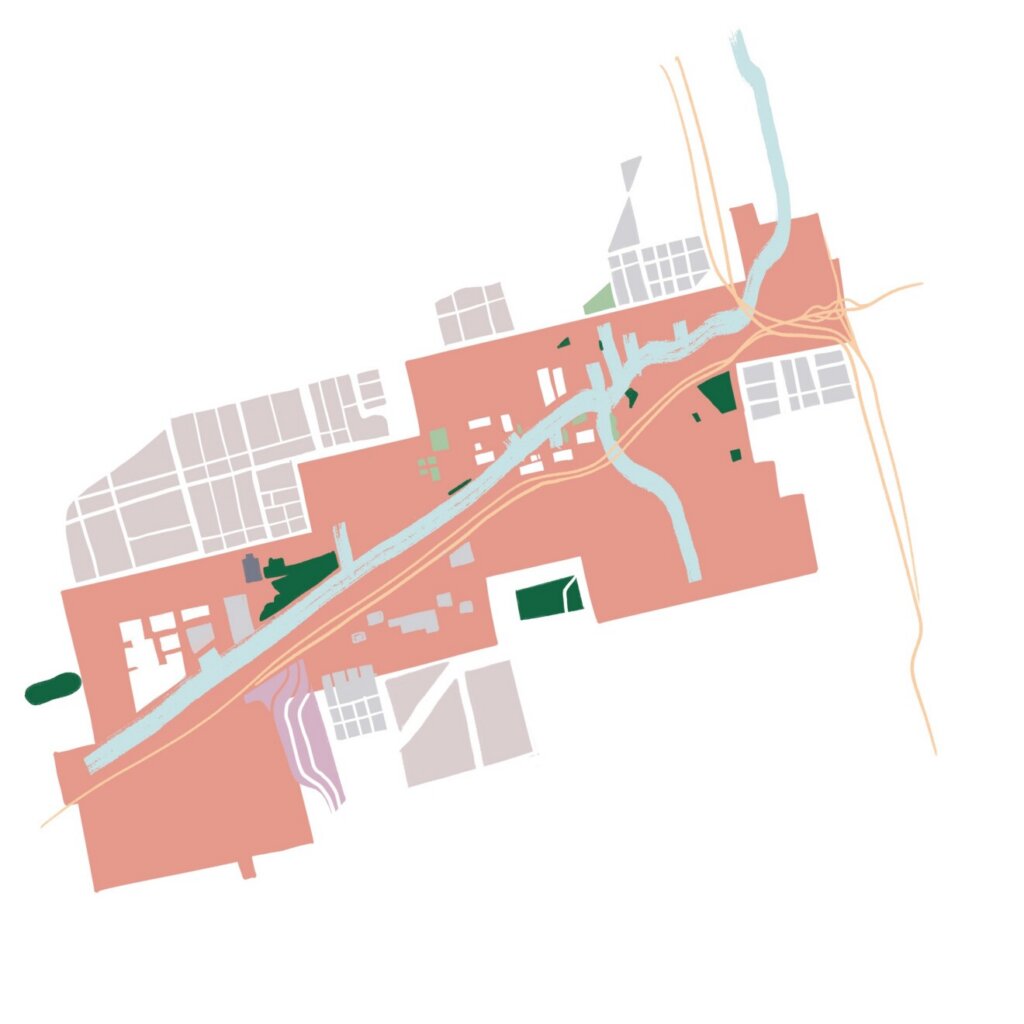
Reach 4 (South Branch/Bubbly Creek)
Above is one story of transformation in the Chicago River System, specifically related to Reach 4 (South Branch/Bubbly Creek). Want to learn more about this area or the Chicago River System as a whole? Check out the data here.
Explore MPC research and case studies from the other reaches in the Chicago River System below.